
By Editor
Published 1 week ago • 3 min read
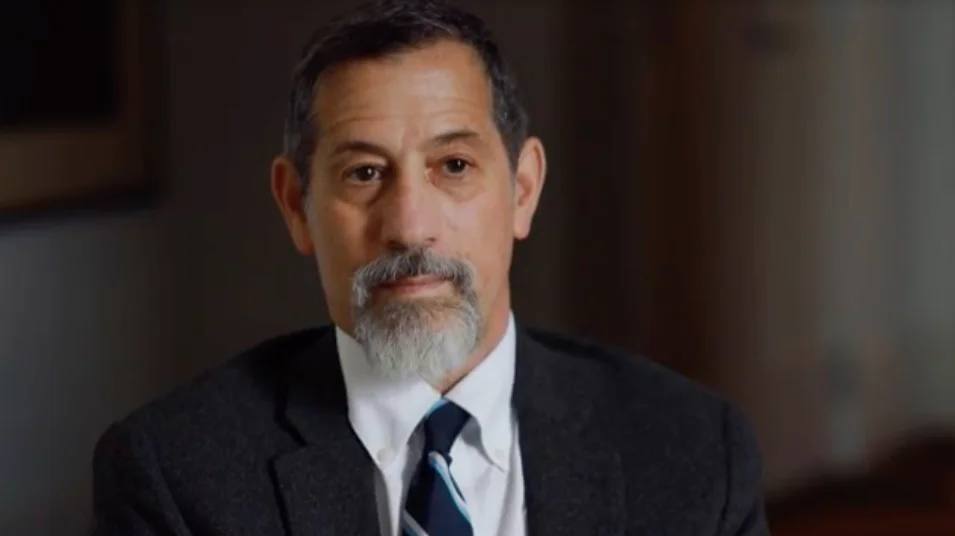
In a hearing before the US House of Representatives Permanent Intelligence Committee, terrorism expert Dr. Bruce Hoffman said that the fact that the United States has not suffered a terrorist attack of the same magnitude in the past 25 years since the September 11, 2001 (9/11) attacks should not be seen as proof of the accuracy of the country's security system. According to him, post-9/11 intelligence reform was very important, but explaining the attack simply as an intelligence failure does not fully reflect the reality.
Hoffman said that in August 2001, the President's Daily Intelligence Report (Presidential Daily Brief) warned that Osama bin Laden was determined to attack the United States. It was the 36th such warning that year. In his words, this incident also proves that, like the previous experience of the October 7 attacks in Israel, even the world's most advanced intelligence systems, technology, information and analysis will not be effective if the political leadership fails to act in a timely manner.
He warned that the US counterterrorism infrastructure built after 9/11 is now being weakened by budget cuts, staffing cuts, and a decline in the importance of terrorism as a national security priority. This risks a return to the neglect and underresourced situation that existed before the 2001 attacks. At the same time, he noted that the current terrorist threat to Americans has not only changed, but has increased.
According to Hoffman, the most urgent structural problem is the National Counterterrorism Center (NCTC). Currently, the agency’s legal authority is limited to such an extent that it cannot act against domestic terrorist threats. However, the line between foreign and domestic terrorism has now largely disappeared.
He said that according to data from the National Institute of Justice and the Anti-Defamation League, the majority of current terrorist deaths in the United States are victims of attacks by right-wing extremists. But surprisingly, the 2026 National Counterterrorism Strategy does not mention this type of threat.
In this situation, Hoffman urged Congress to reconsider the legal authority of the NCTC and bring domestic terrorism under its analysis and coordination program. However, such an increase in power must be accompanied by strong civil liberties protections and effective oversight by Congress.
He also expressed concern about the Federal Bureau of Investigation (FBI). According to him, the training time for new agents has been reduced from 21 weeks to 16 weeks, which has delayed the efforts to improve the quality of training in the post-9/11 period. In addition, human intelligence capacity is still insufficient and full coordination of agents and analysts in the field has not been ensured.
Hoffman said that although terrorism is no longer in the headlines as it used to be, its threat has not diminished. On the contrary, the United States is now facing more and more diverse terrorist groups than it was during the 9/11 period. These threats now come from abroad as well as from within the country.
He cited former US Central Command chief General James N. “No war is over until the enemy declares it is over,” he said, citing a 2013 comment by Mattis. “We may think or declare it is over, but ultimately the enemy has the right to decide.”
According to Hoffman, America’s adversaries have clearly decided to continue the fight. Therefore, it is essential to maintain the manpower, legal capacity, and institutional expertise of intelligence agencies to prevent any possible future terrorist attacks.
Comments Feed 0
Join the Intelligence Community
Please log in to participate in the conversation and share your insights.
Log In to Review