
By Editor
Published 1 month ago • 3 min read
AI and Military Operations Enter a New Era
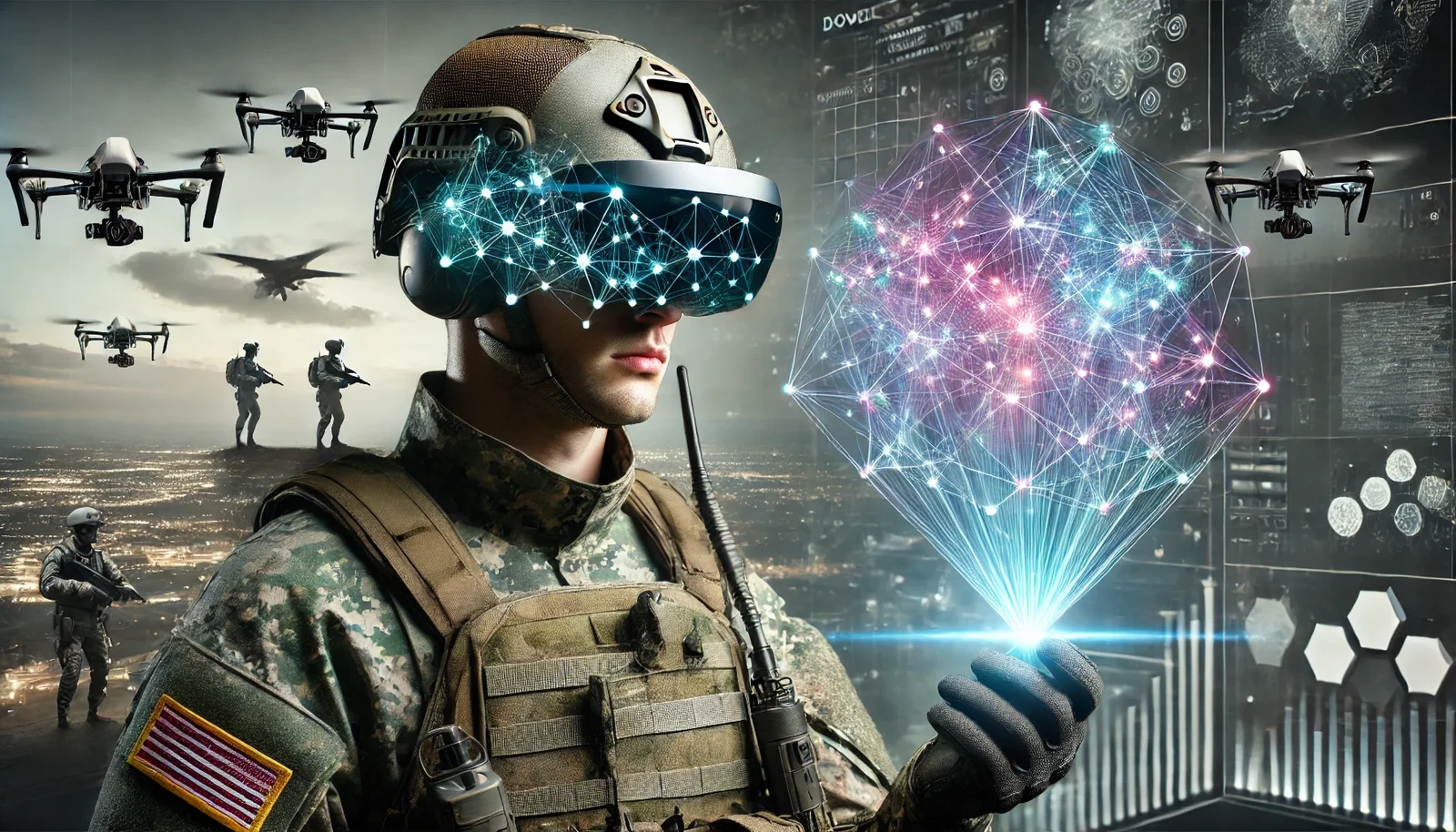
According to recent reports, the United States and Israel are using advanced AI tools in ongoing operations involving Iran. These technologies can analyze vast amounts of information within seconds, helping decision-makers act more quickly. According to Brad Cooper, head of the U.S. Central Command, this technology provides a strategic advantage on the battlefield.
Large Language Models (LLMs) are now being used in the military sector for text analysis, translation, summarization, and information processing. In theory, they can also be integrated with autonomous weapons systems capable of identifying and striking targets without direct human instructions.
Controversy: Misuse of Technology and Ethical Concerns
Media reports have claimed that Anthropic’s AI model “Claude” was used in an operation to abduct Venezuelan President Nicolas Maduro. However, the company’s policies prohibit the use of its technology for surveillance, weapons development, or violent activities.
Meanwhile, Palantir Technologies, which works with the U.S. Department of Defense and law enforcement agencies, is partnered with Anthropic. However, reports indicate that the Pentagon has recently blacklisted Anthropic for refusing to remove certain security restrictions.
Palantir’s activities have also faced criticism. In addition to developing a data platform for the United Kingdom’s National Health Service (NHS), the company has supplied technology to Israel’s military and intelligence agencies, which has allegedly been used during the Gaza war.
The Internet Originated from Military Projects
The origins of today’s internet also lie in military research. During the Cold War, ARPANET was developed with funding from the U.S. Department of Defense to establish a secure communication system. This network later became the foundation of the modern internet.
A Long History of Technology and Military Cooperation
Technology companies have been involved in military projects since World War II. During that period, IBM developed high-speed calculators used to determine missile trajectories.
Later, GPS technology was also initially developed for military purposes and was used experimentally during the 1990–91 Gulf War. Today, it has become an essential part of civilian life.
The Relationship Between Silicon Valley and the Pentagon
During the Vietnam War and the Cold War, companies such as Fairchild Semiconductor and Hewlett-Packard worked with the Pentagon and NASA to develop radar systems, missile guidance technologies, and communication systems.
Palantir’s “Gotham” software, developed with funding from the CIA, became an important analytical tool for U.S. forces in Iraq and Afghanistan.
Modern Military Technology Initiatives
In recent years, the participation of technology companies in military projects has increased further:
In 2017, Google’s AI was used in “Project Maven” to analyze drone and satellite imagery.
Microsoft’s IVAS headset enhances soldiers’ situational awareness capabilities.
Amazon Web Services (AWS) is managing the Pentagon’s cloud infrastructure.
Elon Musk’s SpaceX has developed a military satellite network called “Starshield.”
Although the relationship between technology companies and military organizations has long been a part of history, the expansion of AI technology has taken this relationship to a new level. However, it has also raised growing concerns about ethical issues, transparency challenges, and the potential misuse of technology. How this relationship will be regulated in the future remains a major question.
Source: Al Jazeera
Comments Feed 0
Join the Intelligence Community
Please log in to participate in the conversation and share your insights.
Log In to Review